

How Influencer Marketing Is Changing Nonprofits
8 min read
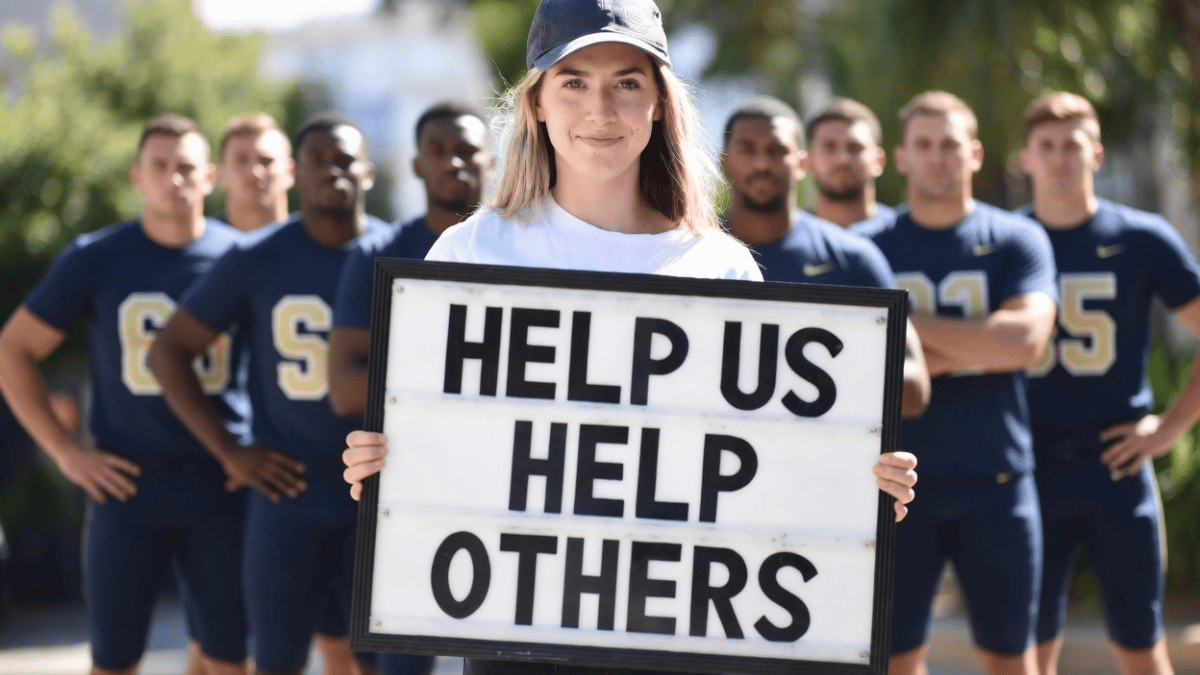
Nonprofits have never struggled to tell meaningful stories. If anything, they often have more real impact, more emotional depth, and more purpose behind their work than most brands. The challenge has never been the message. It has been getting that message in front of the right people in a way that actually resonates.
Most organizations have felt this shift. You can send the emails, post on social media, run campaigns, and still feel like the response does not match the effort. The content is there. The intention is there. But the reach feels limited, and the engagement can feel inconsistent.
That is where influencer marketing begins to enter the conversation, not as a trend, but as a different way of thinking about how messages move.
Most organizations have felt this shift. You can send the emails, post on social media, run campaigns, and still feel like the response does not match the effort. The content is there. The intention is there. But the reach feels limited, and the engagement can feel inconsistent.
That is where influencer marketing begins to enter the conversation, not as a trend, but as a different way of thinking about how messages move.
When the Message Is Strong but the Reach Falls Short
There's a familiar pattern across many nonprofits.
The people closest to the organization deeply understand the mission. They open the emails, follow the updates, share the posts, donate, and show up. However, it becomes significantly more challenging to penetrate beyond that inner circle.
A big part of this comes down to how attention works today. People aren't actively looking for organizations to follow. They're already following individuals — friends, creators, athletes, and people they feel naturally connected to. That relationship becomes the filter for every new message they see.
So even if a nonprofit has something important to say, it might not land unless it's coming from someone the audience already trusts.
The people closest to the organization deeply understand the mission. They open the emails, follow the updates, share the posts, donate, and show up. However, it becomes significantly more challenging to penetrate beyond that inner circle.
A big part of this comes down to how attention works today. People aren't actively looking for organizations to follow. They're already following individuals — friends, creators, athletes, and people they feel naturally connected to. That relationship becomes the filter for every new message they see.
So even if a nonprofit has something important to say, it might not land unless it's coming from someone the audience already trusts.
What We Started Seeing Through NIL Club
NIL Club was created to help student athletes connect with their audiences and unlock new opportunities around that connection. But over time, something intriguing started to happen.
Athletes weren't just promoting products or building personal brands. They were using their platforms to talk about things that mattered to their communities — local causes, school initiatives, and nonprofits tied to where they grew up or where they play.
What stood out wasn't just how often this happened, but how people responded.
NIL Club connects over 650,000 student athletes from more than 2,000 schools, reaching a combined audience of approximately 1.7 billion followers. On average, college athletes see engagement rates around 5.6% — nearly double what's typical for traditional influencers. In smaller sports or tighter-knit communities, that can climb to 10 to 15%. Those numbers reflect a different kind of relationship between the person sharing the message and the people seeing it.
Athletes weren't just promoting products or building personal brands. They were using their platforms to talk about things that mattered to their communities — local causes, school initiatives, and nonprofits tied to where they grew up or where they play.
What stood out wasn't just how often this happened, but how people responded.
NIL Club connects over 650,000 student athletes from more than 2,000 schools, reaching a combined audience of approximately 1.7 billion followers. On average, college athletes see engagement rates around 5.6% — nearly double what's typical for traditional influencers. In smaller sports or tighter-knit communities, that can climb to 10 to 15%. Those numbers reflect a different kind of relationship between the person sharing the message and the people seeing it.
When Campaigns Start to Look Different
As more organizations began partnering with athletes, some clear patterns started to emerge.
A nationwide campaign with Subway activated 174 athletes who created 183 pieces of content. That campaign generated over 1.1 million impressions, beating its original goal by more than 200%, and still maintained an 8.4% engagement rate. For context, typical influencer campaigns often sit closer to 1.9% engagement.
We saw similar results elsewhere:
• With SoFi, athlete-driven referrals led to a 55% funding rate — more than four times the industry average.
• For Coinbase, athlete campaigns drove a 46% conversion rate, resulting in 4,100+ depositors.
• Amazon Prime campaigns through athletes generated $258,000+ in revenue and more than 17,000 signups.
Athlete-led campaigns have also shown 74% lower customer acquisition costs compared to paid social, along with significantly higher retention — sometimes more than 10x higher for subscription-based engagement.
For nonprofits, differences like these aren't just intriguing. They can be transformational.
A nationwide campaign with Subway activated 174 athletes who created 183 pieces of content. That campaign generated over 1.1 million impressions, beating its original goal by more than 200%, and still maintained an 8.4% engagement rate. For context, typical influencer campaigns often sit closer to 1.9% engagement.
We saw similar results elsewhere:
• With SoFi, athlete-driven referrals led to a 55% funding rate — more than four times the industry average.
• For Coinbase, athlete campaigns drove a 46% conversion rate, resulting in 4,100+ depositors.
• Amazon Prime campaigns through athletes generated $258,000+ in revenue and more than 17,000 signups.
Athlete-led campaigns have also shown 74% lower customer acquisition costs compared to paid social, along with significantly higher retention — sometimes more than 10x higher for subscription-based engagement.
For nonprofits, differences like these aren't just intriguing. They can be transformational.
Why Athletes Carry a Different Kind of Influence
It is easy to assume that influencer marketing works because of reach. The larger the audience, the greater the impact. But what shows up in these campaigns suggests something more nuanced.
Student athletes do not just build audiences. They are part of communities that already exist.
Their followers often include classmates, local fans, alumni, and people who share a geographic or emotional connection to where they play. That context shapes how their content is received. When they speak about something, it does not feel like an interruption. It feels like a continuation of an existing relationship.
For nonprofits, especially those tied to specific communities or causes, that alignment matters. A message about a local initiative shared by someone within that community carries a different weight than the same message coming from an external source.
Student athletes do not just build audiences. They are part of communities that already exist.
Their followers often include classmates, local fans, alumni, and people who share a geographic or emotional connection to where they play. That context shapes how their content is received. When they speak about something, it does not feel like an interruption. It feels like a continuation of an existing relationship.
For nonprofits, especially those tied to specific communities or causes, that alignment matters. A message about a local initiative shared by someone within that community carries a different weight than the same message coming from an external source.
The Shift From Awareness to Participation
One of the most important differences in these campaigns is how they move beyond simple awareness.
Traditional nonprofit marketing often focuses on getting people to see or understand a cause. Influencer campaigns, particularly those featuring athletes, naturally encourage participation — things like clicking a link, signing up, donating, or showing up to an event.
Part of this comes from how athletes frame the message. They tend to speak in their voice and connect the cause to something personal: why it matters to them, how it fits into their story, what it represents.
That shift from a generic announcement to a personal endorsement makes it easier for people to respond.
Traditional nonprofit marketing often focuses on getting people to see or understand a cause. Influencer campaigns, particularly those featuring athletes, naturally encourage participation — things like clicking a link, signing up, donating, or showing up to an event.
Part of this comes from how athletes frame the message. They tend to speak in their voice and connect the cause to something personal: why it matters to them, how it fits into their story, what it represents.
That shift from a generic announcement to a personal endorsement makes it easier for people to respond.
What This Means for Nonprofits
For many nonprofits, influencer marketing can feel intimidating or out of reach. It's easy to assume it requires giant budgets or celebrity-level partnerships.
But what we're seeing through NIL Club suggests a different model.
Instead of betting everything on one big-name influencer, nonprofits can work with many aligned voices at once — athletes who genuinely connect with the mission and can share it in a way that feels natural to their audience.
This approach makes it possible to have both scale and authenticity, two things that rarely show up together.
But what we're seeing through NIL Club suggests a different model.
Instead of betting everything on one big-name influencer, nonprofits can work with many aligned voices at once — athletes who genuinely connect with the mission and can share it in a way that feels natural to their audience.
This approach makes it possible to have both scale and authenticity, two things that rarely show up together.
A Different Way to Think About Growth
There is a quiet shift happening in how influence works.
It is becoming less centralized and more distributed. Less about a single message broadcast widely, and more about many messages shared within trusted circles.
This shift presents a new opportunity for nonprofits. Instead of relying solely on their own channels, they can begin to place their message inside communities that already exist, carried by people who already have trust.
It is becoming less centralized and more distributed. Less about a single message broadcast widely, and more about many messages shared within trusted circles.
This shift presents a new opportunity for nonprofits. Instead of relying solely on their own channels, they can begin to place their message inside communities that already exist, carried by people who already have trust.
Moving Forward
If you're a nonprofit, the starting point doesn't have to be complicated. You can begin with a simple question: who already has a real connection to this mission? From there, it's about exploring how that connection can be shared in a way that feels genuine, not scripted.
If you're an athlete, your version of the question might be: what causes matter enough to talk about — not because someone paid you, but because they reflect who you are?
What's happening here isn't just a new tactic. It's a shift in how people connect, how they build trust, and how they decide to take action.
If you're an athlete, your version of the question might be: what causes matter enough to talk about — not because someone paid you, but because they reflect who you are?
What's happening here isn't just a new tactic. It's a shift in how people connect, how they build trust, and how they decide to take action.