

NIL for Division II and Division III Athletes: How to Earn Outside the Spotlight
8 min read
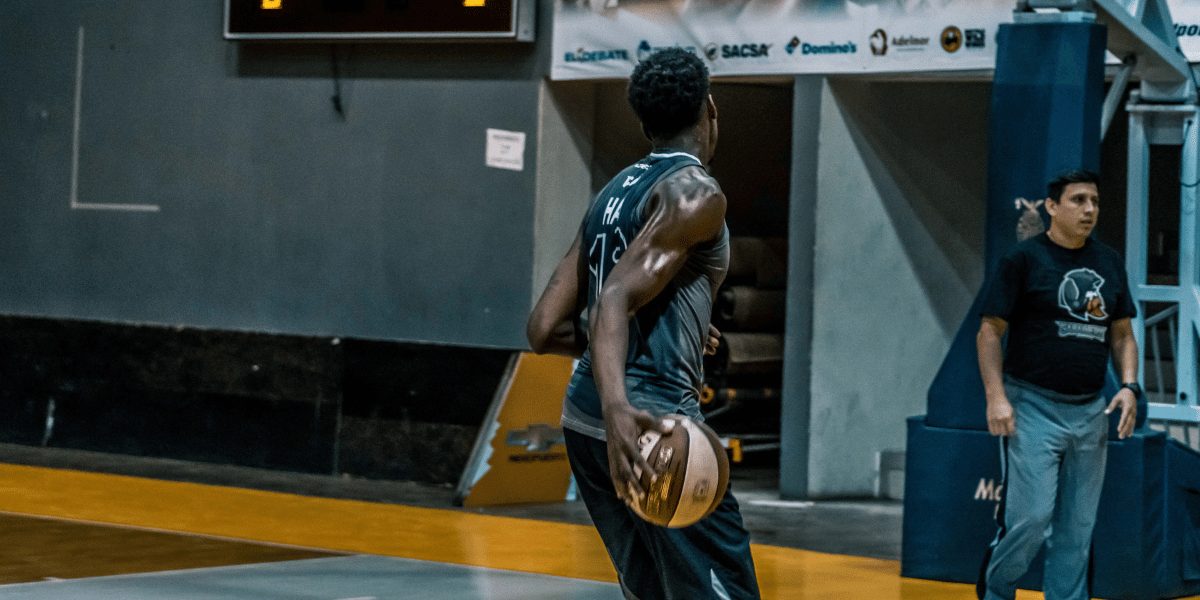
Almost every NIL headline comes from Division I. The million-dollar quarterbacks, the basketball stars with seven-figure valuations, the revenue-sharing checks worth tens of millions. None of that reflects the reality for the tens of thousands of athletes competing in Division II and Division III.
Here is what those headlines miss. D2 and D3 athletes have the exact same NIL rights as every D1 star. The law does not treat them differently. What differs is everything around the rights: exposure, media coverage, donor money, and institutional resources. The gap in NIL earnings between divisions is not about eligibility. It is about visibility.
That distinction matters, because it means the path to NIL income for a D2 or D3 athlete is real. It just looks different, and understanding how it looks different is the whole game.
Here is what those headlines miss. D2 and D3 athletes have the exact same NIL rights as every D1 star. The law does not treat them differently. What differs is everything around the rights: exposure, media coverage, donor money, and institutional resources. The gap in NIL earnings between divisions is not about eligibility. It is about visibility.
That distinction matters, because it means the path to NIL income for a D2 or D3 athlete is real. It just looks different, and understanding how it looks different is the whole game.
The Rights Are Equal. The Reality Is Not.
Athletes from Division I, II, and III are all allowed to participate in NIL activities, regardless of sport or scholarship status. A D3 swimmer and a D1 quarterback have the same legal right to earn from their name, image, and likeness. NIL activity does not affect amateur status or eligibility, and for athletes who receive aid, it does not affect that either, as long as deals follow NCAA and school rules.
So the rights are identical. The reality is not.
Division I superstars are building brands worth millions. Many D2 and D3 athletes are working toward triple-digit and low four-figure deals. The structural divide, scholarships, national exposure, donor wealth, and institutional resources, tilts the NIL landscape heavily toward the top of the NCAA hierarchy.
Being honest about this is important, because it shapes strategy. A D2 or D3 athlete who expects the D1 experience will be frustrated. One who understands the real landscape can build something meaningful within it.
So the rights are identical. The reality is not.
Division I superstars are building brands worth millions. Many D2 and D3 athletes are working toward triple-digit and low four-figure deals. The structural divide, scholarships, national exposure, donor wealth, and institutional resources, tilts the NIL landscape heavily toward the top of the NCAA hierarchy.
Being honest about this is important, because it shapes strategy. A D2 or D3 athlete who expects the D1 experience will be frustrated. One who understands the real landscape can build something meaningful within it.
What D2 and D3 Athletes Do Not Have
Three things that drive most D1 NIL income are largely absent at the D2 and D3 level.
Revenue sharing does not reach them. The House v. NCAA settlement lets Division I schools that opt in pay athletes directly, starting around $20.5 million per school. That framework is a Division I mechanism. D2 and D3 athletes are not part of it, which removes an entire income category that D1 athletes at opted-in schools may access. Our guide on revenue sharing vs. NIL in 2026 explains how that system works and why it applies where it does.
Collectives rarely exist at their level. The booster-funded collectives that pool money for D1 rosters are built around major programs with large donor bases. Most D2 and D3 schools do not have them, and the ones that exist are far smaller.
National brand attention does not come automatically. National companies chase reach, and D2 and D3 athletes usually do not have the follower counts that put them on a national brand's radar without help.
None of this means D2 and D3 athletes cannot earn. It means the income has to come from somewhere other than the three sources that dominate D1. And there is a clear answer to where.
Revenue sharing does not reach them. The House v. NCAA settlement lets Division I schools that opt in pay athletes directly, starting around $20.5 million per school. That framework is a Division I mechanism. D2 and D3 athletes are not part of it, which removes an entire income category that D1 athletes at opted-in schools may access. Our guide on revenue sharing vs. NIL in 2026 explains how that system works and why it applies where it does.
Collectives rarely exist at their level. The booster-funded collectives that pool money for D1 rosters are built around major programs with large donor bases. Most D2 and D3 schools do not have them, and the ones that exist are far smaller.
National brand attention does not come automatically. National companies chase reach, and D2 and D3 athletes usually do not have the follower counts that put them on a national brand's radar without help.
None of this means D2 and D3 athletes cannot earn. It means the income has to come from somewhere other than the three sources that dominate D1. And there is a clear answer to where.
Where D2 and D3 NIL Income Actually Comes From
The income streams that work best at the D2 and D3 level are the ones tied to community rather than national exposure.
Local businesses value athletes who are from or connected to their community, and that connection often matters more than division. A D3 athlete who grew up in the town where they play, has ties to the local high school, and is a recognizable face in the community can be more valuable to a local business than a D1 transfer who just arrived from across the country. Small-school athletes often build the most consistent NIL income through exactly these local partnerships.
Camps and clinics reward athletes with local standing. Younger athletes and their families will pay for direct access to a college player in their sport regardless of division. A D2 athlete running a summer clinic in their hometown is delivering exactly what those families want.
Engaged social media audiences pay off across every division. Brands increasingly care about engagement over raw follower count, and college athletes average roughly three times the engagement rate of traditional influencers. A D3 athlete with a few thousand deeply engaged local followers can deliver real value. Our guide on growing your social media as a college athlete works the same whether you compete in Division I or Division III.
The common thread is community. D2 and D3 athletes may not have national reach, but they often have something national stars do not: a tight, local, genuinely invested fan base. That is an asset, and it is the foundation everything else builds on.
Local businesses value athletes who are from or connected to their community, and that connection often matters more than division. A D3 athlete who grew up in the town where they play, has ties to the local high school, and is a recognizable face in the community can be more valuable to a local business than a D1 transfer who just arrived from across the country. Small-school athletes often build the most consistent NIL income through exactly these local partnerships.
Camps and clinics reward athletes with local standing. Younger athletes and their families will pay for direct access to a college player in their sport regardless of division. A D2 athlete running a summer clinic in their hometown is delivering exactly what those families want.
Engaged social media audiences pay off across every division. Brands increasingly care about engagement over raw follower count, and college athletes average roughly three times the engagement rate of traditional influencers. A D3 athlete with a few thousand deeply engaged local followers can deliver real value. Our guide on growing your social media as a college athlete works the same whether you compete in Division I or Division III.
The common thread is community. D2 and D3 athletes may not have national reach, but they often have something national stars do not: a tight, local, genuinely invested fan base. That is an asset, and it is the foundation everything else builds on.
Why Fan Support Fits D2 and D3 Athletes So Well
Of every NIL income stream, fan subscriptions may be the single best fit for Division II and Division III athletes, and the reason is simple. Fan support does not require national exposure, a collective, or a revenue-sharing check. It requires a community, and community is exactly what D2 and D3 athletes have.
Through NIL Club, your team sets up a community page where fans subscribe monthly for exclusive content from the athletes they follow. Revenue splits equally across the whole team, every month. A D3 volleyball player earns the same share as anyone else on the roster. There are no boosters, no donors, and no outside parties deciding who gets what. The platform is 100% student-run.
This model fills the exact gaps D2 and D3 athletes face. Where revenue sharing does not reach them, subscription income does. Where collectives do not exist, a team community page does. Where national brands may not call, local fans, family, alumni, and classmates can support them directly. The income is consistent, it does not require pitching yourself to anyone, and it grows as the community grows.
For an athlete deciding where to focus limited time, a fan community delivers something the occasional local deal cannot: recurring income you can count on. Our guide on recurring vs. one-time NIL income breaks down why that consistency matters so much.
Through NIL Club, your team sets up a community page where fans subscribe monthly for exclusive content from the athletes they follow. Revenue splits equally across the whole team, every month. A D3 volleyball player earns the same share as anyone else on the roster. There are no boosters, no donors, and no outside parties deciding who gets what. The platform is 100% student-run.
This model fills the exact gaps D2 and D3 athletes face. Where revenue sharing does not reach them, subscription income does. Where collectives do not exist, a team community page does. Where national brands may not call, local fans, family, alumni, and classmates can support them directly. The income is consistent, it does not require pitching yourself to anyone, and it grows as the community grows.
For an athlete deciding where to focus limited time, a fan community delivers something the occasional local deal cannot: recurring income you can count on. Our guide on recurring vs. one-time NIL income breaks down why that consistency matters so much.
The Rules Still Apply the Same Way
NIL compliance works the same across divisions in the ways that matter. Deals cannot function as pay-for-play, meaning nobody can pay you to attend a school or reward you for athletic performance. Compensation has to tie to a real service you provide, like a social media post, an appearance, or content creation.
Income earned through NIL is generally taxable, so keep records of payments, contracts, and expenses. Our guide on NIL taxes covers what D2 and D3 athletes need to know, since the tax rules do not change based on division.
Check with your compliance office before signing anything. D2 and D3 schools have staff who handle this, and a quick conversation protects your eligibility. Reporting requirements and thresholds can vary by division and are still evolving, so your compliance office is the right source for what applies to you specifically.
Income earned through NIL is generally taxable, so keep records of payments, contracts, and expenses. Our guide on NIL taxes covers what D2 and D3 athletes need to know, since the tax rules do not change based on division.
Check with your compliance office before signing anything. D2 and D3 schools have staff who handle this, and a quick conversation protects your eligibility. Reporting requirements and thresholds can vary by division and are still evolving, so your compliance office is the right source for what applies to you specifically.
The Advantage D2 and D3 Athletes Actually Have
The D1 spotlight comes with pressure that D2 and D3 athletes often escape. Less media scrutiny, more genuine community, and a fan base that supports you because they know you rather than because they saw you on television.
That community is worth more than it looks. National reach is impressive, but a tight local following that actually shows up, subscribes, buys merchandise, and comes to your clinic is the kind of support that builds steady income. D2 and D3 athletes who lean into their community rather than chasing D1-style national deals are the ones who build something real.
You do not need the spotlight to build NIL income. You need a community, and you already have one.
Download the NIL Club app, set up your team page, and start building on the community you already have.
That community is worth more than it looks. National reach is impressive, but a tight local following that actually shows up, subscribes, buys merchandise, and comes to your clinic is the kind of support that builds steady income. D2 and D3 athletes who lean into their community rather than chasing D1-style national deals are the ones who build something real.
You do not need the spotlight to build NIL income. You need a community, and you already have one.
Download the NIL Club app, set up your team page, and start building on the community you already have.